SE19 flat removals tips for Victorian terraces
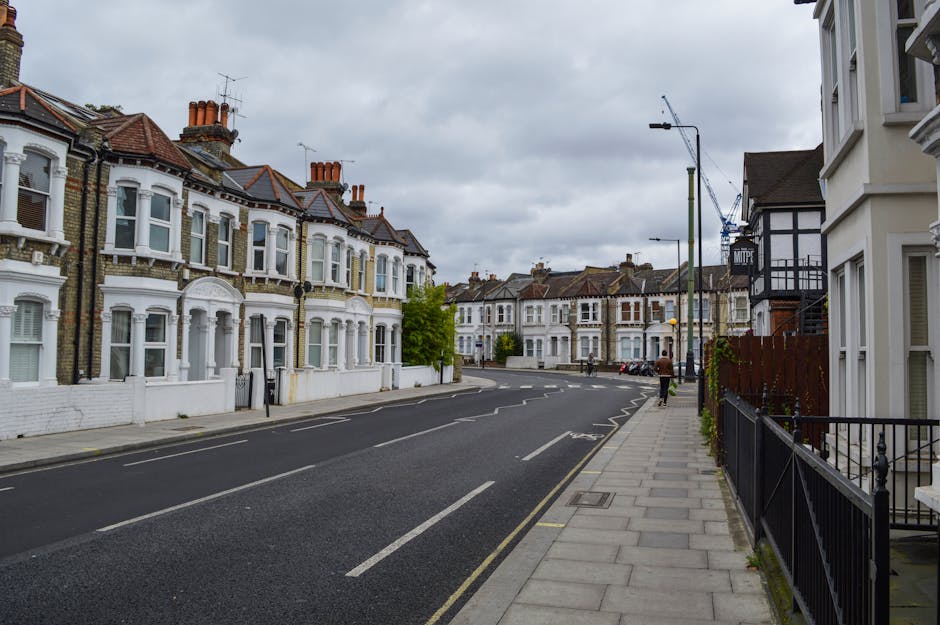
Moving out of a Victorian terrace in SE19 can look simple on paper and then become a bit of a juggling act on moving day. Narrow hallways, awkward stair turns, shared entrances, on-street parking, and the usual London surprises can make a small flat move feel bigger than it should. If you want practical SE19 flat removals tips for Victorian terraces, this guide walks you through what matters, how the process works, and the small details that save time, stress, and repeat trips.
Truth be told, most problems in terrace flat removals are predictable. Once you know where the pinch points are, the whole thing becomes much more manageable. You do not need fancy kit or a military-style spreadsheet. You need a sensible plan, a few local know-how details, and the discipline to prepare before the van arrives.
Below, you will find a clear step-by-step approach, common mistakes to avoid, a practical checklist, and a realistic look at the decisions that affect a move in SE19. If you want the broader service context while reading, it can also help to look at flat removals, man and van support, or the wider range of removal services available for local moves.
Why SE19 flat removals tips for Victorian terraces Matters
Victorian terraces in SE19 are lovely to live in, but they were not designed around modern furniture, large wardrobes, or a sofa that barely fits through a stairwell. That is the simple truth. So when you are moving a flat in one of these buildings, the plan matters as much as the van.
What makes these properties tricky is usually a combination of factors rather than one dramatic issue. You may have steep internal stairs, tight landings, thin doors, basement conversions, awkward split levels, or neighbours who share access routes. Add parking pressure and a moving day deadline, and even a short move can feel full-on by 9:15 in the morning.
These SE19 flat removals tips for Victorian terraces matter because they help you reduce friction before it starts. A little prep can prevent damage to walls, furniture, and tempers. And yes, it can save money too, because the more efficient the move, the less time the team spends wrestling with avoidable obstacles.
There is also a trust piece here. In a terrace setting, the removal team has to work neatly and respectfully. Doorways need protecting, stairs need checking, and loading should be planned with the building layout in mind. That is one reason people often prefer a service that understands local properties rather than a one-size-fits-all approach.
How SE19 flat removals tips for Victorian terraces Works
The moving process is usually straightforward once broken into stages. First, you assess access. Then you pack, label, and group items so the day itself runs smoothly. After that, the loading order, parking setup, and route out of the property all need to line up.
In a Victorian terrace, the access check is not a box-ticking exercise. It tells you whether your furniture can turn corners, whether the banister will get in the way, and whether there is enough room to manoeuvre a mattress or wardrobe without scraping the walls. Sometimes a piece will come out only if it is dismantled first. Sometimes it will come out fine, but only if two people guide it slowly. You do not want to discover that halfway down the stairs.
The practical side of the move also depends on how well the contents are prepared. Boxes should be a manageable size, breakables grouped together, and loose items tied down or bagged. If you are using packing and boxes support, that can reduce the number of last-minute problems and make loading a lot tidier.
On the day, a good move tends to follow a pattern: protect the property, bring out the awkward items first or last depending on layout, load the van in a sensible order, and keep the route clear. It sounds obvious, but the difference between a calm move and a chaotic one is often a few well-made decisions before the first box is lifted.
Key Benefits and Practical Advantages
When you plan properly, the benefits are immediate and quite tangible. You are not just "being organised" for the sake of it. You are making the move physically easier and less stressful for everyone involved.
- Less damage risk: Tight terrace staircases and narrow hallways are unforgiving. Planning helps protect walls, banisters, furniture edges, and floor finishes.
- Better time control: A well-packed flat is quicker to load, which keeps the moving window under control.
- Fewer wasted trips: Knowing what fits in the van avoids the classic "we'll just squeeze it in" approach. That rarely ends well.
- Cleaner access management: In SE19, parking and access can be half the battle. Good preparation makes arrivals and departures smoother.
- Less emotional strain: Moving out of a terrace flat can be noisy, cramped, and a bit sentimental. A clear plan makes the day feel less frantic.
There is another quiet benefit: better communication. When everyone knows what is being moved, what is staying, and what needs special handling, the whole experience feels more professional. That matters whether you are moving a studio, a one-bed, or a larger split-level flat.
Expert summary: The biggest win in Victorian terrace removals is not brute force. It is preparation, measurement, and good sequencing. If those three are right, the move usually feels much less dramatic than people expect.
Who This Is For and When It Makes Sense
These tips are useful if you are moving from any flat in a Victorian terrace, but they are especially relevant if your building has narrow stairs, shared entryways, or limited outside space. That includes basement flats, converted upper floors, and maisonette-style layouts where the route out is not exactly straightforward.
This approach makes sense for:
- tenants moving out at the end of a lease
- first-time buyers leaving a smaller SE19 flat
- households with bulky furniture and limited parking
- students or sharers with a lot of boxed items and mixed belongings
- people who need a fast, local move rather than a big multi-day project
It is also sensible when you want a more compact removal setup. Not every move needs a large lorry. Sometimes a smaller vehicle and a focused team are the better match, especially where terrace access is tight. If that sounds like your situation, pages such as removal van hire or man with van can be a practical fit.
And if you are thinking, "Do I really need all this for a short move?"-well, maybe not every single detail. But a little planning still pays off. Even a move across a few streets can become complicated if the building access is awkward.
Step-by-Step Guidance
Here is the cleanest way to tackle a terrace flat move without losing the plot halfway through.
- Walk the route from flat to van. Look at stair width, door swings, tight corners, and anything fragile or protruding. A quick visual check can reveal more than a dozen assumptions.
- Measure the awkward furniture. Sofa depth, mattress width, wardrobe height, and bed frame length are the usual culprits. If it looks borderline, treat it as borderline.
- Decide what should be dismantled. Flat-pack beds, shelving, and some tables are easier to move in parts. Keep screws, bolts, and fittings in labelled bags.
- Sort and label boxes by room. Simple, but effective. Put "kitchen," "books," "fragile," and "open first" on the right boxes.
- Plan parking early. Even if the street is quiet at 8am, that does not guarantee space later. Check the loading point and how close the van can reasonably get.
- Protect floors and corners. Use covers, blankets, and careful carrying technique. In old terraces, scuffed paint and chipped plaster happen quickly if people rush.
- Load in a sensible order. Heavier, sturdier items usually go in first. Fragile and awkward items should be secured so they do not shift mid-journey.
- Do a final sweep. Check cupboards, window ledges, behind doors, and utility areas. The number of people who forget a kettle or passport is, frankly, a bit too high.
One helpful trick: make a separate "first night" bag. Keep toiletries, chargers, medication, tea bags, toilet paper, and a change of clothes together. It sounds almost too small to matter, but at 7pm after a long day, you will be glad you did it.
Expert Tips for Better Results
In our experience, the best terrace removals are won before moving day. Here are the details that tend to make the biggest difference.
1. Photograph tight spots before the move
If you have a particularly narrow stairwell or a turn that looks awkward, take a couple of photos. They help you think more clearly about the loading route and whether furniture needs to be handled in a certain order. A picture is often more useful than a quick verbal description over the phone.
2. Keep bulky items near the exit the night before
If possible, move larger boxes and dismantled furniture closer to the front room or hallway before the van arrives. Just do not block the doorway. You want organised clutter, not a maze.
3. Use soft protection where surfaces are tight
Victorian stair edges, painted bannisters, and old skirting boards can mark easily. Soft blankets, tape used carefully, and steady handling reduce the chance of minor damage becoming an annoying repair job later.
4. Be realistic about what can stay assembled
Some items are not worth the argument. If a wardrobe is likely to snag on a landing, dismantle it. If a table is only slightly awkward, fine, maybe leave it. The judgement call matters here.
5. Give yourself a time buffer
London traffic, parking changes, and building access delays can all eat into a tidy schedule. An extra half hour at the start can save a lot of stress. Not glamorous, but very effective.
If you are arranging help, it is worth choosing a team that understands careful handling and can work to a clear plan. You can also review insurance and safety information and the company's health and safety policy if you want extra reassurance before booking.
Common Mistakes to Avoid
The most common errors are rarely dramatic. They are small, ordinary things that pile up and make the day harder than it should be.
- Underestimating access: "It'll be fine" is not a strategy when the sofa has to turn a corner on a narrow landing.
- Packing boxes too heavy: Books, crockery, and files get brutal fast when put into oversize boxes. Your back will notice.
- Ignoring parking limits: If the van cannot stop close enough, the move becomes slower and riskier.
- Leaving dismantling too late: Doing it on the morning of the move usually adds noise, stress, and missing screws.
- Failing to label clearly: A box marked "misc" is not very helpful when you need bedding at midnight.
- Not checking building rules: Some flats have shared access expectations, quiet periods, or entry arrangements that should be respected.
Let's face it, everyone has a slightly chaotic box or two. That is normal. The problem starts when the entire move is treated like a giant box of "we'll sort it later." Later has a funny way of becoming expensive.
Tools, Resources and Recommendations
You do not need specialist equipment for every move, but a few practical items can make a huge difference in a terrace setting.
- Furniture blankets: useful for protecting polished wood, mirrors, and painted surfaces.
- Strong tape and labels: for sealing boxes and identifying contents quickly.
- Basic tools: screwdrivers, Allen keys, and a small spanner set for dismantling furniture.
- Gloves with grip: helpful when carrying heavier items through tight spaces.
- Door and floor protection: especially useful in older properties where wear shows quickly.
- Storage options: if completion dates or handover timing do not line up, temporary storage can take the pressure off. See storage options if you need breathing room between properties.
It can also help to keep a simple moving folder, even if it is just a plastic wallet with the basics inside: inventory notes, keys, any final paperwork, and contact details. Old-school, yes. Effective too.
If you need help with furniture that is not going to the new place, furniture removals or furniture pick-up can be useful options, especially when you are clearing out pieces that would only get in the way.
Law, Compliance, Standards and Best Practice
For a typical flat move, there is not usually a long list of legal complications, but there are still important standards and responsibilities to keep in mind. The big one is safety. People handling items should do so carefully, using sensible lifting technique and not trying to be heroic about it. Back injuries are no joke, and neither are dropped items on stairs.
If you are moving within a shared terrace or through communal access, you should also be considerate about noise, obstruction, and access for neighbours. That is not just politeness; it is sensible building practice. In a row of close-set homes, one blocked pavement can become everybody's problem very quickly.
For removal providers, good practice usually includes insurance awareness, careful handling, and clear terms around what is and is not included. If you are comparing services, it is worth checking the relevant terms and conditions and making sure the move is understood properly before anyone starts lifting.
On the environmental side, responsible disposal matters too. Old terraces often hide a surprising amount of unwanted items in cupboards and loft spaces. Reuse, donation, and sensible disposal should come before simply sending everything to waste. If sustainability matters to you, see the company's recycling and sustainability approach.
There is also the practical side of payment and trust. It is always wise to understand payment expectations clearly and make sure you are comfortable with how booking and settlement are handled. The move itself is stressful enough without a surprise at the end.
Options and Comparison Table
Different SE19 terrace moves suit different setups. Here is a simple way to compare the most common approaches.
| Option | Best for | Strengths | Trade-offs |
|---|---|---|---|
| Man and van | Small to medium flat moves with straightforward access | Flexible, usually quicker to arrange, well suited to compact loads | Less capacity than a larger truck, so planning matters more |
| Full removal service | Larger flats, more furniture, or moves with complex access | More hands, more support, often better for awkward items | Can be more than you need for a very small move |
| Storage-first move | When dates do not line up or you need to declutter in stages | Creates breathing room and reduces same-day pressure | Extra coordination and an additional step in the process |
| Same-day removals | Urgent moves or changes with limited notice | Fast response, helpful when time is tight | Less room for error, so packing needs to be sharp |
If your move is especially time-sensitive, you may want to look at same-day removals. If it is a standard flat move with a modest amount of furniture, a smaller vehicle may be enough. The right choice depends on access, volume, and how much heavy lifting is involved.
Case Study or Real-World Example
Imagine a one-bedroom flat on the upper floor of a Victorian terrace in SE19. The staircase is narrow, the landing is tight, and there is a bulky bed frame, a sofa, a dining table, and about two dozen boxes. Nothing outrageous. Just enough to make timing and sequence important.
In a sensible version of this move, the bed is dismantled the night before, the screws are bagged and labelled, and the hallway is cleared. The sofa is measured properly, and it is decided it will go out on its side with two people guiding the corners. The boxes are split between light and heavy, with books packed into smaller cartons so nobody ends up doing a grimace-lift down the stairs.
On the morning itself, the van parks as close as possible, floor protection goes down, and the heaviest items are moved first. Because the access route was checked earlier, there is no surprise when the wardrobe needs to be taken apart a little more than expected. Slightly annoying, yes. But manageable. That is the difference a plan makes.
The outcome is not some heroic movie scene. It is calmer than that. A few careful decisions, no broken glass, no scuffed wall corners, and a move that finishes without everyone feeling wrung out. Small win, big relief.
Practical Checklist
Use this before moving day. It is intentionally simple.
- Measure large furniture and note any tight turns or low headroom.
- Decide which items should be dismantled.
- Label all boxes clearly by room and priority.
- Pack a first-night bag with essentials.
- Confirm parking and loading access.
- Protect floors, bannisters, and door frames.
- Keep tools, keys, and documents together.
- Set aside items for recycling, donation, or disposal.
- Check the weather and have a plan for rain. London, after all.
- Walk through every room before leaving the property.
If you are handling the move with help from a local team, it can also be worth reviewing the wider home moves offering, especially if the flat move is part of a larger changeover or if you are coordinating belongings between two addresses.
Get a free quote today and see how much you can save.
Conclusion
SE19 flat removals in Victorian terraces are not difficult because the job itself is impossible. They are difficult because the buildings are old, the access can be tight, and the margin for sloppy planning is very small. Once you understand that, the move becomes much easier to manage.
The best SE19 flat removals tips for Victorian terraces are really about being practical: measure first, pack smart, protect the property, and choose the right type of help for the job. Do those things, and you will feel the whole day settle down into something much more workable. Not glamorous, maybe, but calm. And calm is underrated on moving day.
If you are preparing a move now, take it one step at a time. The boxes will get packed, the van will get loaded, and the flat will eventually be empty. That quiet moment at the end is worth it.
Frequently Asked Questions
What makes Victorian terrace flat removals in SE19 more difficult than other moves?
The main challenges are narrow staircases, tight landings, older doorways, and limited parking or loading space. The flat itself may be modest, but access can make the move feel more complex.
Do I need to dismantle furniture before a terrace flat removal?
Not always, but it is often the safest choice for large beds, wardrobes, and tables. If you are unsure, measure the route and compare it with the furniture dimensions before moving day.
Is a man and van enough for a flat move in SE19?
Often, yes, especially for one-bedroom flats or smaller loads. For bulkier furniture or more complicated access, a larger removal setup may be more suitable.
How early should I book a flat removal in a Victorian terrace?
As early as you can, particularly if you need a specific day or you expect parking and access to be tight. Better timing usually means less stress and more flexibility.
What should I pack separately for moving day?
Keep essentials in a separate bag: chargers, medication, toiletries, snacks, keys, documents, and a change of clothes. It saves a lot of rummaging later.
How do I protect walls and bannisters during the move?
Use blankets, careful lifting, and clear routes. In older terraces, corners and railings mark easily, so slow, steady handling is better than trying to rush through tight spaces.
What if my furniture will not fit around the staircase?
If something looks too large or awkward, dismantle it if possible. If it still looks risky, ask for help before forcing it through. Forcing furniture through narrow stairs usually creates damage and regret.
Can I combine removal help with storage?
Yes. Storage can be useful if your moving dates do not line up or you want to clear the property in stages. It is also handy when you need time to sort through belongings properly.
Are same-day removals realistic for a flat in a Victorian terrace?
They can be, but the move needs to be simple enough and access needs to be workable. If the property is especially tight or the load is large, same-day moving may be less comfortable than a planned booking.
How can I keep moving costs under control?
Pack well, label clearly, dismantle bulky items in advance, and make sure the van can park close enough. A smoother move usually means less wasted time, which is where costs can creep up.
What happens if I need to clear old furniture before moving out?
You can arrange furniture disposal or pick-up as part of the wider move, which is often easier than leaving it to the last minute. It also helps keep the flat tidy for handover.
What is the biggest mistake people make in SE19 terrace moves?
Assuming access will be easy. That one assumption causes more stress than almost anything else. Measure, check, and plan the route properly, even for a short move.
Sometimes the difference between a painful move and a smooth one is just a few careful choices made early. That is the real secret here, and it is a pretty reassuring one.