Anerley Park house removals case study man with van: a practical local moving guide
If you are comparing a Anerley Park house removals case study man with van service, you probably want more than a sales pitch. You want to know how it actually works on the ground, what can go wrong, and whether a smaller, flexible removals setup is the right fit for your move. That is fair enough. Moving house in a place like Anerley Park can mean tight streets, awkward parking, stairs that seem to multiply, and a pile of boxes that somehow grows overnight.
This guide looks at the topic in a real-world way. It explains where a man-with-van style move makes sense, how a house removals job is usually planned, what to check before you book, and how a local case-study approach helps you avoid the usual headaches. You will also find a comparison table, a checklist, practical tips, and answers to the questions people really ask.
Truth be told, a smoother move is usually less about luck and more about preparation. Let's get into it.
Why Anerley Park house removals case study man with van Matters
A local removals case study matters because it shows the job as it really happens, not as a neat brochure version. In Anerley Park, the logistics can be just as important as the lifting. A narrow entrance, a tricky parking bay, a third-floor flat, or a last-minute key handover can change the whole feel of moving day.
A man with van arrangement is often chosen for smaller house moves, partial moves, student moves, or situations where a full-size removal lorry would be excessive. But there is a bit more to it than "small van, small job." The right service should still feel organised, insured, careful, and properly planned.
That is where the case study angle helps. It turns a vague service description into something you can judge: how long loading takes, whether dismantling is needed, how fragile items are handled, and how the team manages access in a busy London setting. You get a clearer sense of value, and you can compare services with a calmer head.
For many households, especially in SE19 and surrounding streets, the real question is not whether moving is possible. It is whether it can be done without stress turning into chaos. That is the bit people remember.
How Anerley Park house removals case study man with van Works
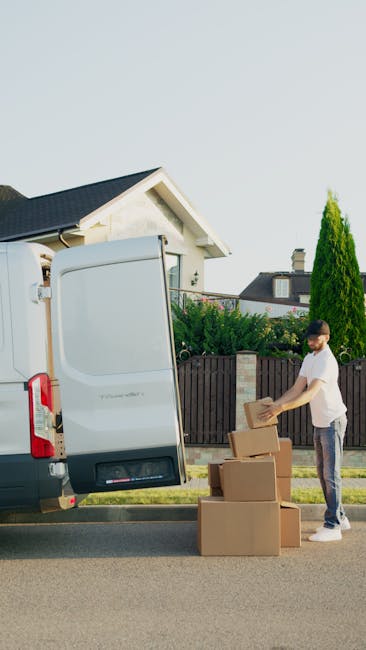
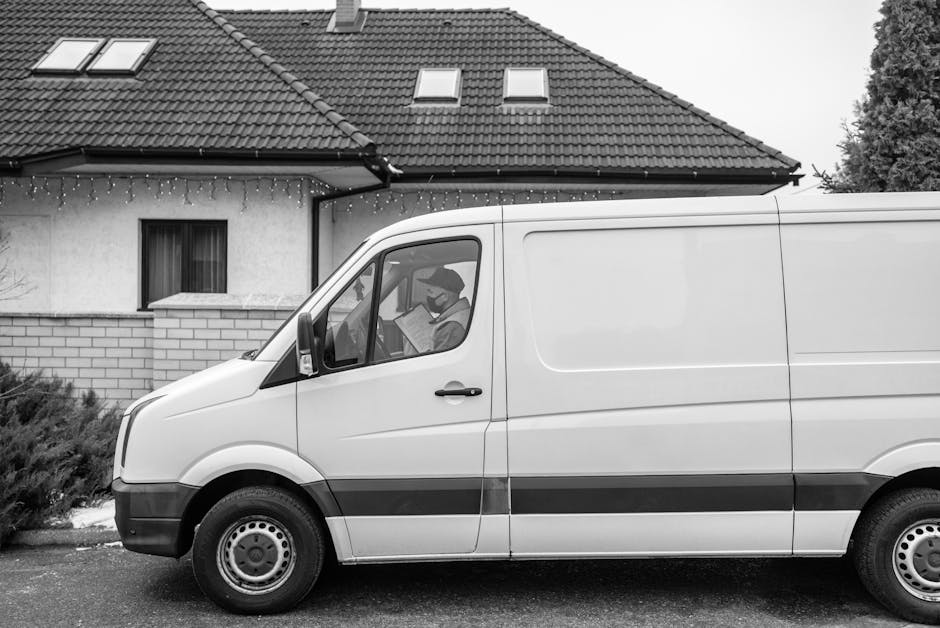
In simple terms, a man-with-van move combines a driver and helper with a suitable vehicle, usually booked by the hour, half-day, or day. For house removals, the service may include loading, transport, unloading, and sometimes packing support or furniture disassembly. The exact setup depends on the provider and the scale of the move.
A typical local move in Anerley Park often follows a fairly practical sequence:
- Initial enquiry - You describe the property type, number of rooms, access issues, and any bulky items.
- Quotation or estimate - The mover assesses whether the job suits a van-based service or needs something larger.
- Planning - Timing, parking, access, and any packing requirements are confirmed.
- Collection and loading - Furniture and boxes are loaded in a sensible order, with heavier items secured first.
- Transit - The team moves the items to the new address, often making one or more trips if needed.
- Unloading and placement - Items are delivered to the right rooms so you can settle in faster.
That sounds straightforward, and sometimes it is. But the difference between a smooth day and a frazzled one often comes down to small details: lift access, whether the sofa fits the stairs, whether the van can park close enough, and whether the boxes are labelled clearly. A couple of missing details can eat time. Quickly.
In practice, a strong local operator will ask the awkward questions early. That is usually a good sign, not a nuisance. If they ask about parking permits, floor levels, or whether the wardrobe needs taking apart, they are trying to stop a small issue from becoming a time sink on moving day.
Key Benefits and Practical Advantages
The biggest advantage of a man-with-van removals model is flexibility. You are not paying for a huge vehicle and a full team when your move does not need it. For the right kind of job, that can make the whole process feel quicker and more personal.
Here are the main benefits people usually notice:
- Local knowledge - A mover familiar with Anerley Park is more likely to anticipate parking, access, and route issues.
- Better fit for smaller moves - Ideal for one- to three-bedroom moves, flats, studio moves, or partial loads.
- Flexible timing - Often easier to book around completion times, key collection, or same-day changes.
- Personal service - You are usually dealing with a smaller operation, which can mean clearer communication.
- Less waste - A van sized to the job can be more efficient than using a larger removals vehicle unnecessarily.
There is also a practical emotional benefit that people underestimate: it feels less overwhelming. When a move is broken into manageable steps, the day can feel calmer. Not easy, exactly, but calmer. And that counts for a lot when you are watching a hallway fill with boxes and trying to locate the kettle.
If your move includes extra items such as a piano, white goods, or awkward furniture, a broader service such as house removals or a specialist option may be more appropriate. The key is matching the job to the vehicle and the crew, not squeezing everything into the cheapest label.
Who This Is For and When It Makes Sense
This kind of move makes sense for people who need a practical, efficient solution rather than a large-scale removals operation. It is especially relevant if your property has decent access, your load is moderate, or you want a service that feels local and responsive.
It can be a strong fit for:
- tenants moving between flats or maisonettes
- small families relocating within the area
- people moving a few rooms' worth of furniture
- customers collecting bulky items from storage or another property
- landlords or homeowners shifting furniture between addresses
- anyone who needs a short-notice or same-day moving option
It may also suit people who have already packed most of their belongings and mainly need transport plus loading help. In those cases, a van-based removals service can be refreshingly efficient.
On the other hand, if you are moving from a large family home with lots of dismantled furniture, fragile artwork, and a full kitchen's worth of boxes, you may need something closer to a full removals package. That is not a failure. It is just the job being the job.
A useful rule of thumb: if you are spending a lot of time wondering whether one van will be enough, you should ask for an inventory-based assessment before booking. Better to have that conversation early than discover the hard way that the wardrobe and the washer do not play nicely together.
Step-by-Step Guidance
If you want the move to feel controlled rather than chaotic, approach it in stages. The best moving days are not improvised ones. They are the ones where a few boring details were handled properly beforehand.
1) Make a simple inventory
Write down the main furniture and box count, plus anything unusually heavy, fragile, or awkward. A quick room-by-room list is enough. No need for a novel.
2) Check access at both addresses
Look at stairs, lifts, parking distance, and whether the van can stop near the entrance. If access is tight, say so. The earlier this is raised, the better the plan will be.
3) Decide what help you actually need
Do you just need transport? Loading and unloading too? Packing support? Disassembly? A good quote should reflect the real amount of labour involved.
4) Prepare fragile and awkward items
Wrap mirrors, label fragile boxes, drain appliances where needed, and remove loose shelves or detachable parts. A sofa with hidden legs or a bed frame with missing bolts can become a bit of a story otherwise.
5) Confirm timing and contact details
Moving day often includes one or two moving parts, especially in London. Keep the phone on, share the final address, and agree what happens if completion is delayed. That small bit of planning reduces a lot of noise.
6) Load in the right order
Heavy, stable items go first. Softer or lighter items can fill the gaps. This matters because a badly loaded van wastes space and can allow items to shift. No one wants a scratched table on arrival.
7) Unload with a room-by-room plan
Label boxes clearly and direct items to the correct room as they come in. That saves you from the awful late-evening hunt for bedding, chargers, or the only clean mug in the house.
Expert Tips for Better Results
Over time, a few things tend to make the biggest difference. Not glamorous things. Practical things. The kind that save time when your patience is running low.
- Book for the real workload, not the ideal one. If you think the move will take two trips, say so. Underestimating always gets expensive in stress, if not money.
- Keep essentials separate. Passport, chargers, medication, tea bags, toilet paper. The basics. The move always feels less grim when the kettle is within reach.
- Use clear labels. "Kitchen," "bedroom," "fragile," and "open first" are better than vague shorthand that nobody understands at 7:40 in the morning.
- Protect floors and doors where needed. In older homes or rented properties, small scuffs can cause unnecessary frustration.
- Check insurance before anything is loaded. It is boring, yes, but useful. A careful mover should be able to explain what cover is in place and what is excluded.
One thing that often gets overlooked is communication inside the property. If several people are packing, make sure everyone knows what is staying and what is going. Sounds obvious, but let's face it, moving day has a way of exposing even the smallest confusion.
Also, if you have bulky furniture and not much time, consider whether using a broader removal services option could be smarter than trying to make a tiny vehicle do heroic work. Sometimes the cheapest-looking option is not the cheapest in practice.
Common Mistakes to Avoid
Most moving problems come from a handful of familiar mistakes. Once you know them, they are easier to dodge.
- Ignoring access issues - A van cannot magically appear beside a front door if the street layout says otherwise.
- Overpacking boxes - Heavy boxes are awkward to carry and easier to damage. Books belong in smaller boxes, not heroic ones.
- Not measuring large items - Sofas, wardrobes, beds, and fridges should be checked against doorways and stair turns.
- Leaving packing until the last minute - This is how cable tangles, missing screws, and mystery drawers happen.
- Choosing a service only on price - The lowest quote may not include the labour, vehicle size, or timing flexibility you actually need.
- Forgetting building rules - Flats, managed blocks, and converted houses often have access rules, loading bays, or lift booking requirements.
A smaller but common issue is failing to separate essentials from "later" items. The box with the bedding, toiletries, and phone charger should not be buried behind six bags of random kitchenware. That mistake is so ordinary it almost feels funny. Almost.
Another one: assuming all man-with-van services are the same. They are not. Some are ideal for quick single-item jobs, while others are much better equipped for full house moves. Ask what is included, and ask plainly.
Tools, Resources and Recommendations
You do not need a shed full of specialist equipment to move well, but a few practical tools make the job much easier.
- Strong tape and markers for sealing and labelling boxes
- Furniture blankets and straps to protect and secure larger items
- Trolley or sack truck for heavier pieces where suitable
- Zip bags and small containers for screws, bolts, and fixings
- Measuring tape for checking furniture against access points
- Basic toolkit for bed frames, tables, and shelving
For preparation, many people also find it useful to review related services such as packing and unpacking services or packing and boxes if they want a more hands-off move. If you already have more possessions than your home can comfortably absorb, a short-term storage option can also take pressure off the day.
For furniture-only jobs, the moving plan can become much easier if you are using a focused service such as furniture removals. That can be particularly handy when the move is really about a few large items rather than every box in the house.
It also helps to keep a simple moving folder, physical or digital. Include quotes, contact details, floor plans, access notes, and a short list of questions for the mover. Nothing fancy. Just enough to stop details slipping through the cracks.
Law, Compliance, Standards, or Best Practice
While a man-with-van move is not usually complicated from a legal point of view, there are still sensible standards to look for. A reputable mover should operate responsibly, treat your property carefully, and be able to explain how they handle damage, transit, and liability in straightforward language.
Best practice usually includes:
- clear written quotes or job confirmations
- reasonable insurance arrangements
- safe lifting and loading methods
- proper securing of items in transit
- respect for building access rules and parking constraints
- transparent communication about what is and is not included
If you are moving from rented accommodation, check your tenancy obligations around notice, keys, and property condition. If you are moving from or into a managed block, ask about lift bookings, access times, and loading arrangements. Those small admin points can matter more than people expect.
It is also sensible to ask about public liability or goods-in-transit insurance, without assuming every policy is identical. That conversation should be clear and boring, ideally. Boring is good here.
For business or multi-property relocations, a more structured option such as commercial moves or office removals may be more appropriate. The principle is the same: the service should match the risk and complexity of the move.
Options, Methods, or Comparison Table
Different moving methods suit different situations. Here is a simple comparison to help you think clearly before booking.
| Option | Best for | Strengths | Limitations |
|---|---|---|---|
| Man with van | Small to medium house moves, local jobs, bulky item transport | Flexible, cost-effective, personal service, suitable for tighter streets | May not suit very large homes or heavy multi-team jobs |
| Full removals team | Larger homes, full households, complex access or many rooms | More labour, more capacity, better for bigger inventories | Usually more expensive and sometimes less flexible for short-notice jobs |
| Self-move with hired transport | People with time, helpers, and light loads | Can be cheap if everything goes to plan | More physical effort, more risk, and more pressure on the day |
| Storage plus staged move | Moves with delays, overlap between homes, or downsizing | Reduces pressure, helps with timing gaps | Extra handling and potential added cost |
A practical note: if your move involves a mix of boxes, furniture, and time pressure, a flexible option such as a removal van can be a neat middle ground. It is not always about going as big as possible. Sometimes it is about going just big enough.
Case Study or Real-World Example
Here is a realistic example based on the kind of job this topic usually refers to. It is illustrative, not a claim about any specific customer.
A couple moved from a first-floor flat near Anerley Park to a nearby terraced property. They had a bed frame, mattress, two wardrobes, a sofa, a dining table, several boxes of books, and the usual kitchen mix of pans, glassware, and half-packed odds and ends. Nothing outrageous, but enough to make a solo car trip impossible and a full-scale lorry unnecessary.
The mover checked access first. The flat had a narrow stairwell, the new home had a front path with limited parking, and there was only a short loading window. So the plan was adjusted before the day arrived: larger items were dismantled, boxes were grouped by room, and the van was booked for early morning when parking was easier.
On moving day, the team loaded the sofa and bed components first, then stacked labelled boxes so the most fragile ones stayed on top. Because the couple had kept essentials separate, they could settle the basics quickly at the new property. No frantic search for the kettle. Small victory, but a real one.
What made the move work was not any magic trick. It was a good fit between load size, vehicle size, access, and preparation. The job moved steadily rather than chaotically, and the couple avoided the classic "we underestimated everything" scenario. Which, to be fair, is a relief for everyone involved.
If their inventory had been larger, or if they had needed a more structured overnight solution, a broader home moves service may have been the better route. That is why honest assessment matters so much at the start.
Practical Checklist
Use this checklist to keep the move grounded and manageable.
- Confirm move date, time, and access details
- Make a room-by-room inventory
- Measure large furniture and tricky doorways
- Ask what loading, unloading, and disassembly are included
- Set aside valuables and essentials separately
- Label every box clearly
- Pack fragile items securely with enough padding
- Check parking and loading restrictions at both addresses
- Keep important contact numbers charged and accessible
- Walk through both properties before and after loading
- Confirm insurance and what it covers
- Have water, snacks, and a small first-night kit ready
That last one sounds minor, but on a long day it really is not. A bottle of water and a clean mug can feel like luxury by late afternoon.
Get a free quote today and see how much you can save.
Conclusion
An Anerley Park house removals case study man with van approach is often the sweet spot for smaller, local, or moderately complex moves. It gives you flexibility, keeps things personal, and can be a very sensible fit when access is tight or the load does not justify a larger removals crew.
The real win comes from matching the service to the move. Measure first, ask the awkward questions early, and make sure the quote reflects the actual job. If you do that, you will usually end up with a calmer day and fewer surprises. And frankly, that is what most people want most.
A move does not have to feel like a scramble. With the right plan, it can feel surprisingly manageable. Not perfect, maybe. But manageable, and that is enough.
Frequently Asked Questions
What does a man-with-van service include for house removals?
It usually includes a van, a driver, and often one helper, plus loading, transport, and unloading. Some providers also offer packing, dismantling, or furniture protection, but you should always confirm the exact scope before booking.
Is a man with van suitable for a full house move in Anerley Park?
Sometimes yes, especially for smaller homes, flats, or partial loads. For larger family houses with many rooms and heavy furniture, a fuller removals team may be a better fit. The deciding factor is the volume and complexity of the move, not the postcode alone.
How do I know if one van will be enough?
A simple inventory is the best starting point. Count your larger furniture, number of boxes, and any awkward items. If you are uncertain, send photos or ask for a proper assessment rather than guessing. Guessing is where trouble starts.
What should I ask before booking a local removals service?
Ask about the vehicle size, how many people will come, whether loading and unloading are included, what insurance is in place, how they handle delays, and whether there are extra charges for stairs, waiting time, or long carries.
Are packing services worth it?
They can be, especially if you are short on time or worried about fragile items. Packing support often reduces stress and helps protect belongings, but it depends on your budget and how much you can realistically do yourself.
How early should I book a removals van?
As early as possible, especially for weekends, month-end dates, or school holiday periods. Local movers sometimes have flexibility, but waiting too long can leave you with fewer options and more pressure.
Can a man with van help with furniture dismantling and reassembly?
Some can, yes. Others may only move items as they are. If dismantling matters for beds, wardrobes, or tables, make sure it is explicitly included in the quote or arrangement.
What happens if parking is difficult in Anerley Park?
Good movers plan for that in advance. They may suggest an earlier time, a different loading method, or a van position that reduces carrying distance. If parking is likely to be tight, say so up front.
Is insurance important for a small move?
Yes. Even small moves involve risk from lifting, transit, and tight spaces. Ask what insurance is included and what exclusions apply. That way, you know where you stand if something unexpected happens.
Can I use a man-with-van service for storage moves?
Yes, absolutely. This is common when people need items moved into storage or out again later. It can be especially useful during chain delays, refurbishments, or downsizing.
What is the biggest mistake people make with house removals?
Underestimating the volume of their belongings and leaving preparation too late. It sounds simple, but it is the source of most moving stress. A little planning goes a long way.
How do I choose between a removal company and a man with van?
Choose based on volume, access, urgency, and how much help you need. If your move is moderate and local, a man-with-van style service may be ideal. If you have a larger property or more complicated logistics, a full removals company may be better value overall.
What should I do on moving day to make things smoother?
Keep essentials separate, label everything clearly, have access details ready, and stay reachable by phone. If you can be calm and organised for the first hour, the rest of the day usually feels much easier.